

Leather – The natural raw material

Despite the arrival of state-of-the-art high-tech materials, leather remains an indispensable raw material until today. It is rugged and durable, yet still very flexible; and those are precisely the characteristics that make a high-quality safety shoe.

But what exactly is leather and which different types of leather are used in shoemaking?

Leather generally refers to the tanned skin of animals. During the tanning process, the leather is treated with various substances and lye. This process makes the leather watertight, durable and rot resistant. At the end of the tanning process, the skins are prepared for the intended uses and different types of leather are produced.

The use of the right leather requires extensive experience and expertise.

Different types of leather for different uses

We ensure that the leather meets the necessary requirements and that the right type of leather is used for the right area of application. We choose from among the following types of leather depending on the area of use and required strength profile of the shoes:

  • Natural grain leather: Grain leather is mainly used when a high level of strength is required. It maintains its natural grain during leather production and this makes the leather extremely durable and resistant.
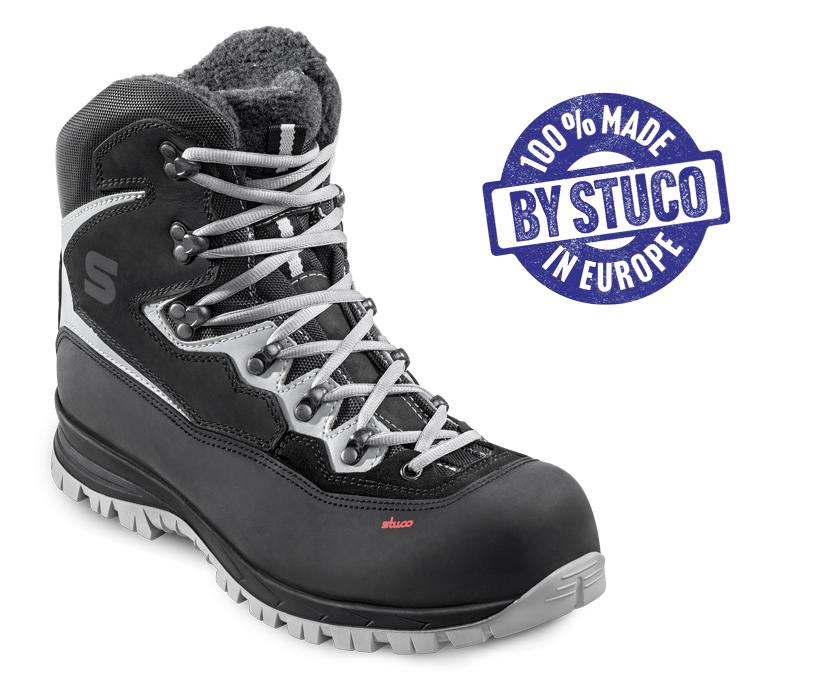
  • Nubuck leather: Nubuck leather is a very soft leather that feels almost velvety. It is manufactured from grain leather that is grinded on the surface. As a result of this process, the nubuck leather loses some of its resistance; however, it is consequently softer and more pleasant to wear.
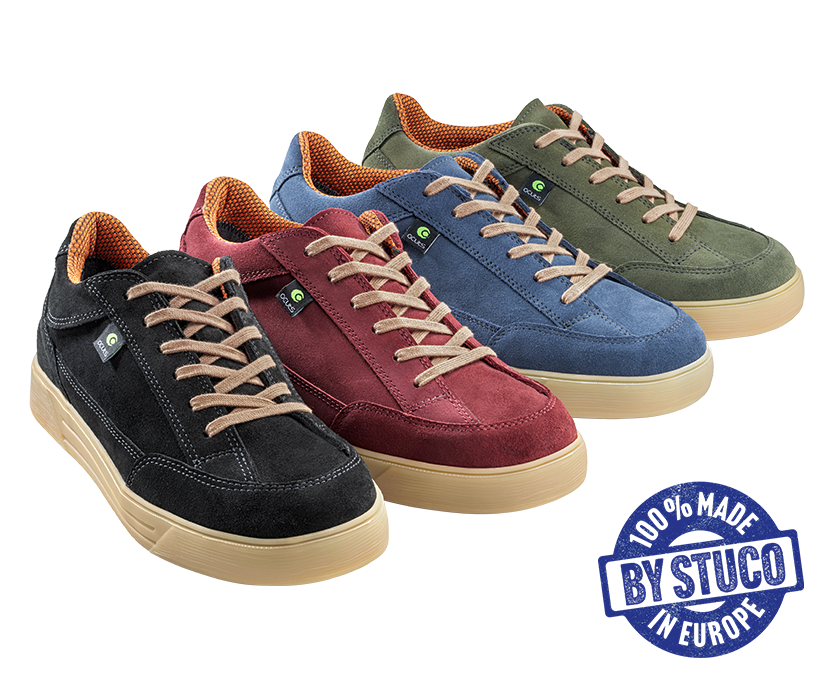
  • Split leather: This leather is very flexible and breathes extremely well; however, it is not as resistant as grain or nubuck leather. Split leather is therefore only used in areas that only require a lower level of strength.

Depending on the shoe model, we produce and process about 15-25 individual components from the three different types of leather for each shoe.